
From Detroit to Tier 1: A field guide to the auto sector in Q2
A layered guide to the Q2’s earnings from automakers and Tier 1 suppliers and what the rearview reveals about what’s ahead.


A layered guide to the Q2’s earnings from automakers and Tier 1 suppliers and what the rearview reveals about what’s ahead.
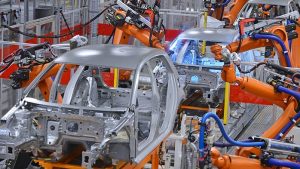
Second quarter results from U.S. aluminum producers reveal a widespread reset in automotive demand, with shipment patterns diverging by product type, customer tier, and end-use sector.

The single-family sector has come to terms with the current housing climate, while multi-family is still learning the hard way.

Kaiser Aluminum is raising its earnings outlook and doubling down on expansion as demand recovery takes shape.

Behind the diverging fortunes of office and industrial construction, key indicators reveal where future aluminum demand may be building or in teardown mode.

Strong beverage demand carried Crown and Ardagh through Q2, but inventory buffers are shrinking and production is running near full tilt.

The merger could reshape aluminum demand, scrap flows, and supplier power across the entire North American auto part supply chain.
A shareholder vote barely made headlines, but it could reshape aluminum demand, scrap flows, and supplier power across the entire North American auto part supply chain.

A short-lived trailer order surge in June belies deeper cracks in the commercial vehicle market, where rising aluminum costs, soft freight demand, and margin compression are colliding.
Ball’s decision to build a new plant in Oregon revives its Western footprint, but it also highlights strain that has made can making difficult in the region.