
Q2 tariff headwinds blow Alcoa inland
Alcoa's Q2 earnings reveals a company increasingly tethered to North America, just as the world looks to reduce exposure to U.S. trade risk.



Alcoa's Q2 earnings reveals a company increasingly tethered to North America, just as the world looks to reduce exposure to U.S. trade risk.
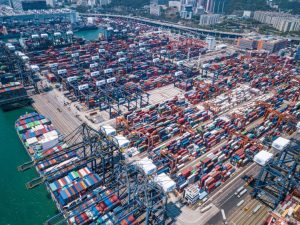
After a major industry complaint, the U.S. is investigating whether Chinese foil containers are just relabeled detours.
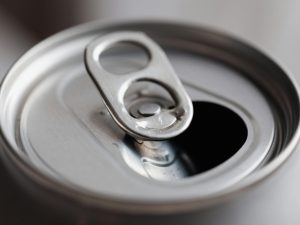
A patent dispute between two aluminum can giants highlights that a can designed to minimize waste shouldn't be piling up in landfills.

The latest import data reveals a market no longer shaped by supply and demand alone, but by tariffs, carveouts, and timing.
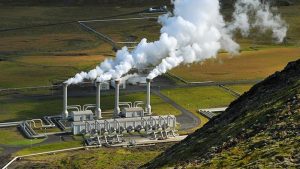
Aluminerie Alouette's will invest $1.1 billion and secure a green power deal in a strategic bid for long-term stability.

Class 8 orders drop, trailer backlogs thin, but transportation spending sets a record.

Second quarter auto sales look strong on the surface, underpinned by a growing split between assembly and production.

Prysmian's latest cable contract may reshape the U.S. aluminum cable market.
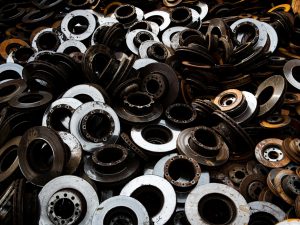
Casting capacity expands right in the heart of a key OEM supply chain.
Prysmian’s groundbreaking for a 650,000-square-foot medium-voltage cable facility on Encore Wire’s Texas campus marks a big development in the aluminum wire and cable sector.