
Rio Tinto-RevoCast billet deal targets North America
Rio Tinto will exclusively market billet from RevoCast’s new British Columbia plant under a long-term agreement combining primary and recycled aluminum.


Rio Tinto will exclusively market billet from RevoCast’s new British Columbia plant under a long-term agreement combining primary and recycled aluminum.
Can Art Aluminum Extrusion has purchased BRT Extrusions in Niles, adding five extrusion presses and finishing operations.

The Midwest premium could slip if Canada reroutes primary back to the US. But the balance in supply would still be coming from other countries, likely the Persian Gulf.
Recycler forward expectations swung toward oversupply in September as inventory drawdowns eased and export demand lost August’s improving responses.
Aluminum sheet lead times rose in September even as more respondents became more comfortable with overall supply.
ArtiFlex Holdings acquired a former Pace Industries aluminum die casting plant in Jackson, Tennessee, and plans to invest more than $10 million in the operation.
Latrobe Magnesium’s plans a 50,000-metric-ton-per-year South Carolina plant as the US remains without domestic primary magnesium production.
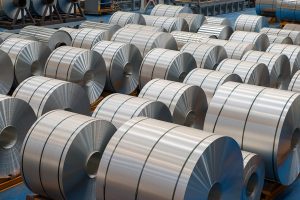
The Chicago-based company acquired the rolling mill earlier this year from Novelis, roughly nine months after the plant was idled.

RevoCast has started secondary aluminum billet production in British Columbia, adding more than 80,000 tonnes of annual capacity to Western Canada.

The Canadian retaliatory measures—which include 50% tariffs on US steel and aluminum—came after trade talks between Washington and Ottawa collapsed last month.