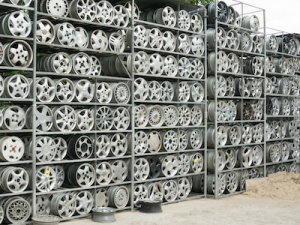
What Superior’s lost wheel contract says about regional sourcing
While Michigan-based Superior did not name the “large North American OEM customer”, the scale suggests a major Detroit-based automaker.


While Michigan-based Superior did not name the “large North American OEM customer”, the scale suggests a major Detroit-based automaker.

Since the aluminum market is subject to Section 232 tariffs of 25%, regardless of source, and which supersedes the 10% tariff, it would bring the effective tariff rate on aluminum products brought into the US from China to 45%.

Litho sheet is typically costly and a rare grade of scrap to come by. Unlike other more specific alloys, like 6061 or 5052, it can be consumed by just about anyone or added to just about any melt mix.

The Administration was eager to announce its first major trade deal on Thursday May 8. Unfortunately, the media probably gave more airtime to the news that Robert Prevost was the first American elected Pope in the Roman Catholic Church. Timing is everything…. but still the deal had important symbolism.

Week in Review: May 8, 2025

The new trade deal between the U.S. and the United Kingdom (UK) is being called historic, and for good reason. It gives American producers better access to UK markets and puts a hard quota on British car exports. But for metals and recycling, the bigger story may be the creation of what officials are calling a new union for steel and aluminum.
With tariffs back on the table, aluminum companies are feeling the squeeze. While most attention has focused on cost hikes and policy shifts, some critical tools are still in play. Foreign trade zones (FTZ) and in-bond warehousing may not offer the same levers they once did, but they still give companies a way to manage risk, improve flexibility, and stay competitive - especially if you're handling LME-grade primary aluminum or shifting toward recycled inputs.

CRU just took a red pen to its global economic forecast and they didn’t hold back. They’re calling this the biggest monthly downgrade since the pandemic, and tariffs are at the center of it.

The purpose of the tapered tariff reduction is to allow time to readjust supply lines or onshore manufacturing to the U.S., a phaseout that incentivizes shifts in components production.

April's survey paints a picture of a market holding steady, but it's far from smooth sailing.