Our take on Wednesday's Fed meeting
The Federal Reserve held rates steady while modestly raising inflation and growth projections, highlighting uncertainty tied to geopolitics and tariffs.


The Federal Reserve held rates steady while modestly raising inflation and growth projections, highlighting uncertainty tied to geopolitics and tariffs.
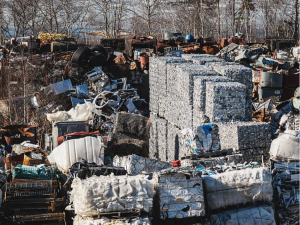
Cheap aluminum scrap has not triggered widespread buying due to saturated demand, chemistry limits, and limited processing capacity.
With LME contango insufficient to cover financing and storage costs, the aluminum market has shifted the burden of carry onto physical premiums, forcing traders to rely on premium appreciation to keep inventory economically viable.

An explainer on how aluminum options function as price insurance, outlining common strategies and practical use cases for producers and consumers.
This AMU Explainer breaks down how LME open interest works and how it can help you interpret shifts in market sentiment and price direction.
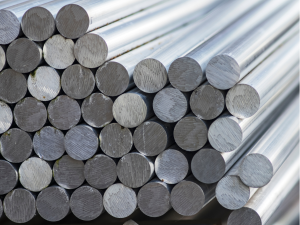
AMU Explainer is a series where we demystify parts of the aluminum industry.
The metals industry can confusing for a newcomer. The aim of this series is to explain these terms and practices in plain language.

Ever since it launched its One Belt One Road campaign in 2013, China has been relentless in building markets overseas.

Most of the world’s global non-ferrous futures business is conducted on the LME’s three trading platforms, totaling $18 trillion, 178 million lots and 4 billion tonnes with a market open interest high of 1.8 million lots in 2024.
Join AMU experts Greg Wittbecker and Nicholas Bell on Thursday, September 25 at 11 a.m. ET