
LME Clear raises renminbi collateral limit, accepts Hong Kong warrants
LME Clear increased member renminbi collateral limits, shortened collateral notice periods and approved Hong Kong warrants for collateral use.


LME Clear increased member renminbi collateral limits, shortened collateral notice periods and approved Hong Kong warrants for collateral use.

Commerce issued preliminary duty determinations on van-type trailer imports from China and Mexico while terminating the Canadian subsidy investigation and advancing the remaining trade cases toward a final decision.
The US is competing with China on advanced technologies, semiconductors and critical minerals, but major metals aren’t getting enough attention, according to a report from the SAFE.
The remarks come head of the joint review of the US-Mexico-Canada Agreement, which replaced NAFTA, on July 1.

Rio Tinto has started commissioning its AP60 expansion at Arvida, adding 160,000 metric tons of annual primary aluminum capacity while replacing older production assets.
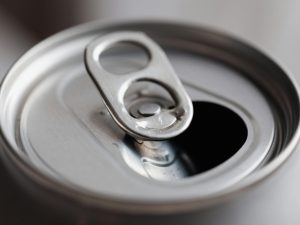
Trade data shows Chinese beverage can sheet imports more than doubled from January through most of May despite tariffs, higher conversion fees, expanding domestic capacity and a weaker US dollar.

AMU's May survey results showed higher obsolete scrap availability as respondents continued reporting elevated freight costs and UBC price expectations moderated.

The International Aluminium Institute's April figures showed Gulf production losses and the Mozal shutdown outweight modest gains from Europe, China and North America.

AMU's May aluminum market survey showed lengthier rolled product lead times coupled with shrinking extrusion and primary booking windows, though inventory building and forward demand sentiment remained cautious.
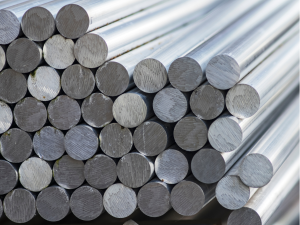
CRU’s Ross Strachan and Paul Williams outline at the CRU World Aluminium Summit 2026 how GCC disruptions are tightening billet, slab and foundry alloy supply more sharply than primary aluminum availability, increasing pressure across downstream manufacturing markets.