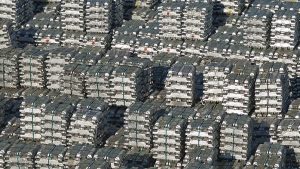
Report: US needs to invest in major metals to compete with China
The US is competing with China on advanced technologies, semiconductors and critical minerals, but major metals aren’t getting enough attention, according to a report from the SAFE.


The US is competing with China on advanced technologies, semiconductors and critical minerals, but major metals aren’t getting enough attention, according to a report from the SAFE.

The remarks come head of the joint review of the US-Mexico-Canada Agreement, which replaced NAFTA, on July 1.

Rio Tinto has started commissioning its AP60 expansion at Arvida, adding 160,000 metric tons of annual primary aluminum capacity while replacing older production assets.
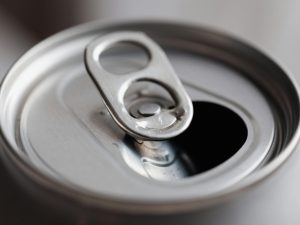
Trade data shows Chinese beverage can sheet imports more than doubled from January through most of May despite tariffs, higher conversion fees, expanding domestic capacity and a weaker US dollar.
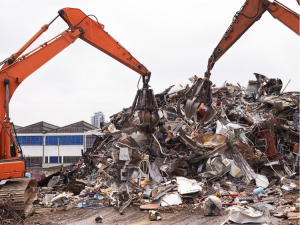
The Lebanon facility will effectively double the company's total annual processing capacity to an estimated 240 million pounds.

The contract covers roughly 3,400 workers in Davenport, Iowa; Alcoa, Tenn.; Lafayette, Ind.; and Massena, N.Y.

The International Aluminium Institute's April figures showed Gulf production losses and the Mozal shutdown outweight modest gains from Europe, China and North America.
AMU's May aluminum market survey showed lengthier rolled product lead times coupled with shrinking extrusion and primary booking windows, though inventory building and forward demand sentiment remained cautious.
Meanwhile, USW reached a tentative agreement with Arconic on a three-year master agreement covering workers at four facilities.
Demand totaled an estimated 26.65 billion pounds in 2025, a year marked by an ever-shifting tariff environment, the association said.