Carbon Neutral Initiatives
March 13, 2026
Rio Tinto-Prysmian aluminum rod deal highlights tight North American redraw rod market
Written by Nicholas Bell
Rio Tinto and Prysmian are conducting an industrial trial to produce low-carbon aluminum cables intended for the data center sector, as operators expand power infrastructure to support growing computing demand.
The companies said the project combines aluminum smelting with cable manufacturing to supply aluminum rod and cable products with lower associated emissions.
Trial combines hydro-powered aluminum and ELYSIS technology
Rio Tinto manufactured the aluminum rod used in the trial from a blend of low-carbon aluminum rod made at its Alma smelter in Quebec and metal using ELYSIS technology. ELYSIS is a joint venture between Rio Tinto and Alcoa focused on developing inert anode aluminum smelting technology.
The Alma smelter uses hydroelectric power. Meanwhile, the ELYSIS process produces oxygen instead of direct greenhouse gas emissions during smelting.
The technology has been installed on a 450-kiloampere inert anode cell at the facility for commercial-scale testing. The cell was deployed at the end of an existing potline at the plant.
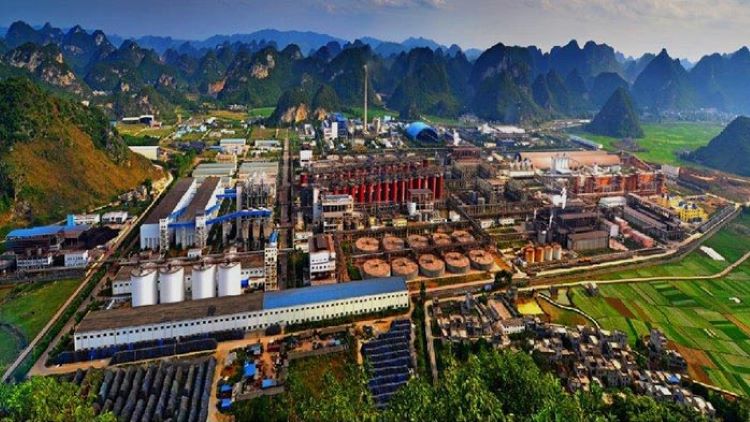
Rio Tinto’s Alma smelter is the company’s largest wholly owned smelter by production capacity, according to CRU Smelter Power Tariff data. It runs on hydroelectric power generated within its regional power network. The facility operates with electricity costs roughly 1/4 to 1/5 of those at US smelters on a per-ton basis.
The companies said the blend of metal was then used to produce aluminum cables designed for applications such as data center power distribution and energy transmission.
In 2024, ELYSIS also issued its first smelter technology license to Rio Tinto as the partners continue developing the inert anode technology.
Rio Tinto-Prysmian agreement details
Rio Tinto and Prysmian signed a five-year supply agreement in 2023 covering low-carbon aluminum produced using hydropower from Rito Tinto’s Canadian operations. Rio Tinto Aluminum interim Vice President of Sales and Marketing Matt Schicke said the work focuses on supplying aluminum products intended for sectors that are increasing power demand, including data centers.
Prysmian Chief Sustainability, R&D and Innovation Officer Srinivas Siripurapu said customers in the data center sector have set emissions targets, which has led to interest in materials associated with lower emissions.
Data center growth drives cable demand
The partnership was originally announced in the context of expanding power grid infrastructure as electricity demand increases.
According to CRU Group, the data center sector accounted for about 7% of total North American cable demand in 2025. CRU expects the sector to grow at a compound annual rate of about 17% between 2026 and 2030, as noted in Rio Tinto’s press release. (CRU Group is the parent company of AMU.)
CRU also said aluminum is expected to account for a larger share of the cable mix used in data center facilities as operators seek lower-cost options for power distribution across campuses and server installations.
Prysmian accounted for roughly 44% of US power cable production by conductor tonnage in 2024, placing it alongside Southwire among the largest producers in the region, according to CRU’s Wire and Cable Market Outlook. Aluminum represented about 60% of the conductor metal used in the segment.
Aluminum rod supply context
Prysmian purchases aluminum redraw rod rather than making it, leaving the company reliant on a limited pool of suppliers.
Domestic production of 1350 electrical conductor (EC) rod is concentrated among Southwire, Alcoa, and Alubar Metals, according to filings submitted to the Department of Commerce.
Southwire operates the largest rod capacity in the United States but uses most of that material internally to support is cable operations.
Alubar produces rod at its New Madrid, Missouri, facility, which is located at the site of the idled Magnitude 7 Metals smelter. It also manufactures cable products, effectively making it a competitor to Prysmian.
Alcoa retains the capability to produce EC-grade rod at its Massena, New York, facility with estimated capacity of 25,000 to 35,000 metric tons per year, though filings with the Commerce Department suggest not all volumes are consistently available to the merchant market.
Even so, Alcoa has recently entered into agreements to supply rod produced using its ELYSIS technology to Nexans, a European cable manufacturer, with development work tied to its technical center in Pittsburgh. The announcement does not identify Massena as the source of the rod, and the agreement is primarily tied to Nexans’ European operations.
Century Aluminum previously produced rod at its Hawesville, Kentucky, smelter until the smelter was idled. That site was recently sold to TeraWulf, a company developing data center infrastructure.
This all leaves Rio Tinto as one of the remaining wholly owned primary aluminum producers in North America without a historic linkage to domestic redraw rod consumption.
Southwire and Alubar are vertically integrated cable producers. Given that Prysmian and Southwire operate at comparable scale in North American power cable output, the addition of an additional tariff-subject layer of input cost through imported aluminum rod is likely to be significant.
Although Rio Tinto’s Alma smelter remains subject to Section 232 tariffs, material could be delivered by rail. Canadian metal may have a greater likelihood of tariff relief given its role in supporting electrical infrastructure and data center expansion in the United States, as well as the upcoming renegotiation of the US-Mexico-Canada Agreement.
With limited merchant rod supply available domestically, US cable manufacturers have supplemented volumes with imports from producers such as Midal Cables in Bahrain and Oman Aluminium Processing Industries. Those sources, however, face geopolitical risks tied to shipping through the Strait of Hormuz since the US conflict with Iran began. Producers such as Vedeanta are also facing rising freight costs associated with the conflict in addition to the application of Section 232 tariffs on aluminum imports.