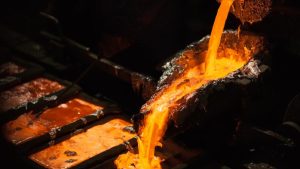
EGA's Al Taweelah restart reaches 50%
EGA has restarted 631 of Al Taweelah’s 1,262 reduction cells and still expects the smelter to return to full production in Q1 2027.


EGA has restarted 631 of Al Taweelah’s 1,262 reduction cells and still expects the smelter to return to full production in Q1 2027.

Recycler forward views shifted toward undersupply in October even as Midwest Premium and UBC expectations moved lower.

Aluminum sheet lead times rose modestly in October, while broader supply indicators remained largely stable after September’s shift.

The shipment was part of an offtake agreement between private investment group Heeney Capital, Mercuria Energy Group and the Venezuelan government.

LME aluminum prices returned to February levels despite a 50% decrease in warehouse inventories and a substantial narrowing of the cash-to-three-month contango.

US aluminum scrap imports increased faster than exports through August, while similar tonnage gains kept net exports near year earlier levels.

LME aluminum prices moved lower into October as on-warrant stocks declined and investment firms reduced net-long exposure.

Indonesian unwrought aluminum exports increased sharply in August, with the US and South Korea accounting for a growing share of shipments.
Commercial vehicle orders have surged in 2026, but policy-driven timing may be making the market look stronger than current production and supplier sales.

EGA will route up to 250,000 metric tons of aluminum through the UAE’s east coast in the first year of a new agreement with Gulftainer.