Carbon Neutral Initiatives

June 30, 2026
Century Aluminum-Brimstone MoU and the alumina supply chain
Written by Nicholas Bell
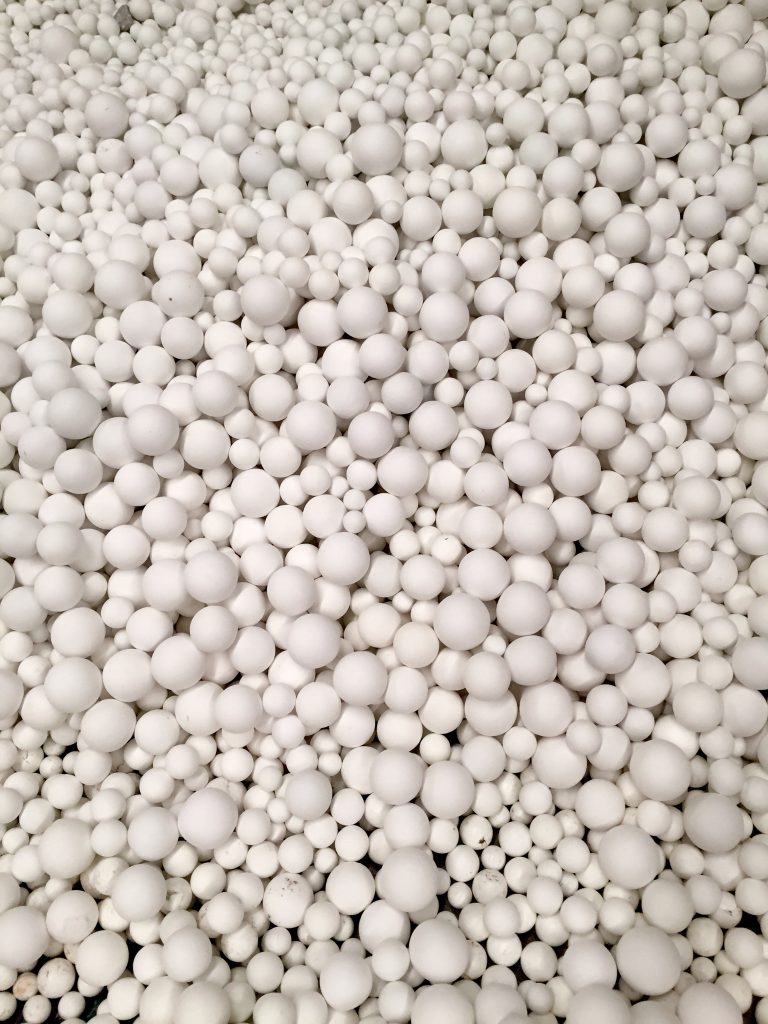
Century Aluminum signed a memorandum of understanding with Brimstone under which the companies would work toward supplying domestically produced alumina from Brimstone’s planned commercial-scale facilities to Century’s US smelters, the companies said.
The non-binding agreement, announced last week, outlines a potential future supply relationship rather than a purchase contract. Brimstone has not yet commercialized its alumina production process, which would produce smelter-grade alumina from calcium-bearing silicate rock instead of imported bauxite.

Century’s alumina requirements
Primary aluminum production typically requires about two metric tons of alumina for every metric ton of aluminum.
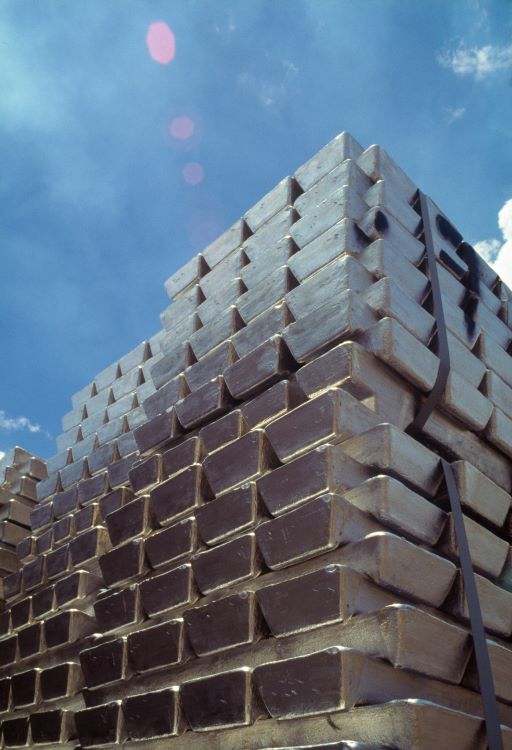
Century operates a 220,000-metric-ton-per-year smelter in Sebree, Ky., and is increasing production at its 230,000-metric-ton-per-year facility in Mt. Holly, SC.
Together, the two smelters would require roughly 900,000 metric tons of alumina annually if operated at rated capacity.
The company also plans to jointly develop the 750,000-metric ton-per-year primary aluminum smelter in Oklahoma with Emirates Global Aluminium. At full capacity, that facility would require an additional roughly 1.5 million metric tons of alumina annually.
Oklahoma projects share geography
Last year, Brimstone announced plans to locate its proposed commercial-scale alumina facility in Oklahoma. The company later signed a letter of intent with Oklahoma-based Dolese Bros. to supply feedstock for the proposed plant and said it selected the state following a multi-year site review.
Century’s proposed joint venture smelter with Emirates Global Aluminium is also planned for Oklahoma, although neither company has linked the two projects beyond the newly announced memorandum.
Current alumina pathways
Atlantic Aluminum’s refinery in Gramercy, La., remains the US’ only commercial-scale alumina refinery. The facility has a rated capacity to produce about 1.2 million metric tons of alumina annually.
Earlier this year, the company announced a $450 million public and private investment intended to increase aluminum production while adding primary gallium capacity.
Atlantic Aluminum continues to rely on imported bauxite. Through affiliated operations, the company sources bauxite from the Discovery Bauxite Operations in Jamaica. Separately, Century Aluminum holds a majority interest in the Jamalco bauxite mining and alumina refining operation, also in Jamaica.
Brimstone instead proposes producing alumina without bauxite by processing calcium-bearing silicate rock. The company expects commercial demonstration plant in Nevada to begin operating in 2028 and has said an industrial scale facility could begin operating in the following decade.
The process would also produce ordinary Portland cement, the binding agent used to make construction materials like concrete, and supplementary cementitious materials using silicate rock rather than limestone, the conventional feedstock.
Imports continue to dominate supply
Commerce Department data show Brazil accounted for more than one million metric tons of aluminum oxide in 2025. Jamaica ranked second nearing 150,000 metric tons.
The concentration partly reflects existing industry structure. Alcoa supplies alumina to its US smelters largely through its integrated refining operations in Brazil, while Atlantic Aluminum remains the country’s only commercial-scale domestic refinery.
Annualizing data between January and April would place aluminum oxide imports from China at their highest annual volumes on record if the pace continues through year-end. Australia, an intermittent supplier in recent years, is also on pace for its largest annual shipment volumes since 2022.
By comparison, annualizing that Commerce data from 2026 would place Jamaican shipments at roughly one-quarter of the country’s full-year 2025 volume if the current pace continues through December.
Refining capacity in the past decade
Canada imported meaningful volumes of US alumina into the mid-2010’s before shipments declined sharply following the closures of Alcoa’s Point Comfort, Tx., refinery and Sherwin Alumina’s Gregory, Tx., refinery.
Point Comfort refinery formed part of the Alcoa’s integrated North American supply chain, which continues to include primary aluminum smelters in Canada.
Sherwin Alumina, which was owned by Glencore before its closure, represented another source of smelter-grade alumina. Glencore remains a Century Aluminum shareholder and commercial partner, although Sherwin’s customer base was not publicly disclosed.
Recent price trends
The CRU Alumina Price Index reached $800 per metric ton near the end of 2024 before declining through the first half of 2025. The Index has generally remained slightly above $300 per metric ton during 2026.
Although electricity receives much of the attention in discussions of primary aluminum production costs, alumina also represents a major input cost.
On a per-metric-ton-of-aluminum basis, CRU Asset Platform analysis indicates alumina costs can equal or exceed power costs at US smelters, depending on market conditions.