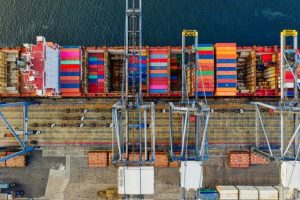
Indonesian exports soar in August
Indonesian unwrought aluminum exports increased sharply in August, with the US and South Korea accounting for a growing share of shipments.


Indonesian unwrought aluminum exports increased sharply in August, with the US and South Korea accounting for a growing share of shipments.
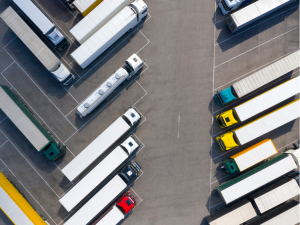
The USITC found Chinese van-type trailer imports materially injured the US industry, clearing the way for AD/CVD orders as separate Canada and Mexico cases continue.

Despite the recent attacks in the Gulf, we were surprised to see Saudi shipments have increased substantially. In fact, Saudi oil flows are running at their highest levels since the war began.

Canada and the EU. Russian sanctions. China talks.
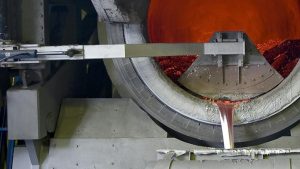
China is bumping up against its official primary production capacity limit of 45.3 million metric tons/year, but production can still increase through “capacity creep.”

Currently, gallium production is concentrated in China, which introduce market controls in 2023.
And there certainly was no shortage of things to talk about. Tariffs, geopolitics, domestic production trends, data center construction, and scrap availability were just some of the topics getting the spotlight.
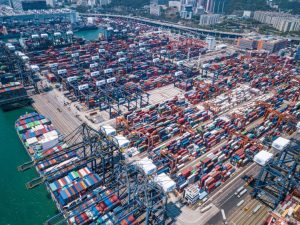
Commerce opened circumvention inquiries into disposable aluminum container imports from Malaysia and Indonesia while earlier Vietnam and Thailand cases continue toward final determinations.
We have seen aluminum correlate quite well with oil prices since the Iran war started. But there has been a noticeable disconnect between the two over the past few weeks.

The Constellium Engley (Changchun) Automotive Structures facility produces aluminum crash management systems and other structural components for the Chinese automotive market