
Canada's next steps in aluminum
Canada is repositioning its aluminum exports toward Europe and Mexico as US tariffs raise costs, strain downstream demand and reshape trade flows.


Canada is repositioning its aluminum exports toward Europe and Mexico as US tariffs raise costs, strain downstream demand and reshape trade flows.

Early-2026 rail freight data show bulk commodities driving volume gains while primary metals, lumber and vehicle shipments lag, highlighting uneven demand signals across North American industrial markets.
Let’s unpack the facts behind this move.

Rising global capital and power costs, driven by China's production cap and higher-cost expansion in Indonesia, are structurally resetting aluminum's incentive price, making higher LME levels necessary to unlock new primary capacity outside China.

China's expanding trade surplus reflects a strategic rotation away from US markets and toward higher-value exports, even as domestic demand remains under pressure.
Decisions to swap materials are not made in the spur of the moment. Significant engineering changes have to be made, tooling has to be redesigned. With current lead times for heavy industrial equipment, substitution could take 1-2 years to execute. Substitution, whether good or bad for aluminum, is not happening quickly.

US RV wholesale shipments declined more sharply than typical seasonal norms in November 2025, signaling mounting pressure on discretionary consumer spending amid inflation and elevated interest rates.

The US has seen a drastic decline in imports from Canada.
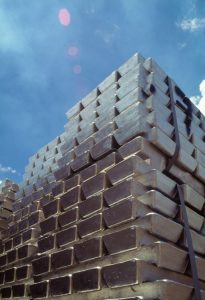
The Midwest premium has risen beyond replacement economics, driven by thin liquidity, depleted US inventories, slow import response, and limited near-term substitutes - raising questions about sustainability and forward risk.
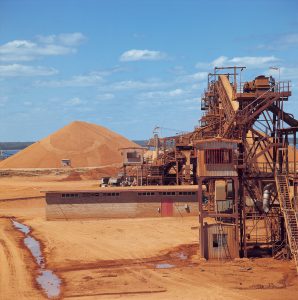
How Venezuela figures into the aluminum sector