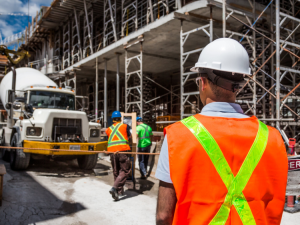
Construction end market check-in: 2025 Backlog and momentum indicators
Non-residential construction indicators show how planning and backlog shaped aluminum demand heading into 2026.


Non-residential construction indicators show how planning and backlog shaped aluminum demand heading into 2026.
Decisions to swap materials are not made in the spur of the moment. Significant engineering changes have to be made, tooling has to be redesigned. With current lead times for heavy industrial equipment, substitution could take 1-2 years to execute. Substitution, whether good or bad for aluminum, is not happening quickly.
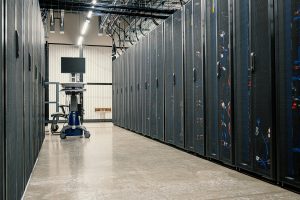
AI is seeing an aggressive buildup, but some cracks are beginning to show.

There’s a lot of news to keep track of, so we’re lending a hand with highlights from the past month and what they mean for you.

Scrap discounts remain exceptionally wide to the Midwest transaction price. Some seasonal tightness may occur, but still affords rolling mills and extruders excellent earnings potential.

Southwire is expanding the footprint of its Heflin, Alabama cable plant and intends to outfit the additional space with new aluminum-capable drawing and medium-voltage cable production equipment.

Contract talks for U.S. value-added aluminum products are reaching a critical stage, with billet, primary foundry alloys, and wire rod upcharges diverging as buyers and producers race to finalized 2026 pricing.
In a rare Section 403 filing, the Department of Energy formally argued that the Federal Energy Regulatory Commission already has the legal authority to directly regulate large-load grid interconnections.

Upgrades of transmission lines translates into new demand for Aluminum Core Steel Reenforced electric cable.
Federal regulators under the Trump administration have intensified oversight and reduced tax incentives for solar projects, delaying massive developments like Nevada's Esmeralda 7 and threatening to stall over 55 GW of new capacity.