
Hydro to restart Slovak plant, strikes deal to supply wire rod to French cable maker
Hydro has reached two recent deals involving its operations in Europe.


Hydro has reached two recent deals involving its operations in Europe.

Rio Tinto has started commissioning its AP60 expansion at Arvida, adding 160,000 metric tons of annual primary aluminum capacity while replacing older production assets.

Before the second Trump administration, many automakers banked on an electrified future, with federal and state tax breaks incentivizing consumers.

Rio Tinto's aluminum supply agreement with Prysmian highlights tightening redraw rod availability in North America as tariffs, smelter closures and cable demand reshape supply.
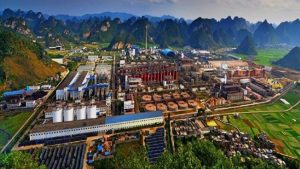
Chinese firm GCL is exploring a 3 milllion-ton-per-year aluminum smelter in Nigeria, but historical failures and questionable capex estimates raise doubts.
The Oklahoma aluminum smelter project backed by Emirates Global Aluminium and Century Aluminum appears to be advancing toward a power deal, though elevated electricity costs and high Midwest premiums continue to complicate the economics.
A look at Alcoa's idled US smelter and refinery sites shows how electricity economics and capital discipline are reshaping industrial redevelopment toward data center infrastructure.
LS Cable's $50 million Tarboro expansion adds medium-voltage CCV capacity.
As China approaches its long standing primary aluminum production cap, shifting supply dynamics such as offshore capacity growth and redirected Russian metal are reshaping how the country's future demand is met by global supply.

ALUKO Group plans to establish a second US manufacturing facility in Tennessee, expanding its domestic manufacturing presence beyond the EV-focused Jackson site.