
Rio Tinto’s 2025 results: Stable output, shifting mix and premium exposure
Rio Tinto reported steady attributable aluminum production in 2025, higher segment EBITDA and changing exposure to value-added products and Midwest-exposed pricing.


Rio Tinto reported steady attributable aluminum production in 2025, higher segment EBITDA and changing exposure to value-added products and Midwest-exposed pricing.

Ford’s fourth-quarter earnings show how aluminum supply disruptions, shifting production and inventory tightness shaped truck output and sourcing decisions heading into 2026.

With LME contango insufficient to cover financing and storage costs, the aluminum market has shifted the burden of carry onto physical premiums, forcing traders to rely on premium appreciation to keep inventory economically viable.

As China approaches its long standing primary aluminum production cap, shifting supply dynamics such as offshore capacity growth and redirected Russian metal are reshaping how the country's future demand is met by global supply.

Canada is repositioning its aluminum exports toward Europe and Mexico as US tariffs raise costs, strain downstream demand and reshape trade flows.
January's AMU survey shows stabilizing lead times with growing product-level and role-based divergence, alongside a notable shift in perceptions of import competitiveness.

China's expanding trade surplus reflects a strategic rotation away from US markets and toward higher-value exports, even as domestic demand remains under pressure.
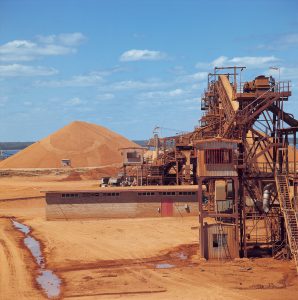
How Venezuela figures into the aluminum sector
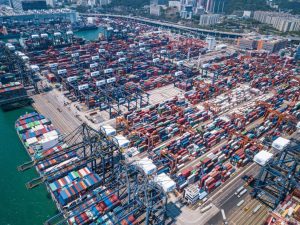
When we last reported on Chinese trade, the numbers showed a strong performance for September. Two months later, we see more growth. China shrugged off disappointing October exports of $305.4 billion to record November exports of $330.3 billion, according to data released by China’s General Administration of Customs. That was a 5.9% rise over October […]
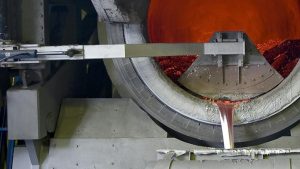
Production metrics can gauge whether there are more premium shocks in our future.