The new math of Trump's auto tariffs
The purpose of the tapered tariff reduction is to allow time to readjust supply lines or onshore manufacturing to the U.S., a phaseout that incentivizes shifts in components production.


The purpose of the tapered tariff reduction is to allow time to readjust supply lines or onshore manufacturing to the U.S., a phaseout that incentivizes shifts in components production.

April's survey paints a picture of a market holding steady, but it's far from smooth sailing.

Aluminum producer Norsk Hydro and automotive casting manufacturer Nemak agreement focuses on expanding the use of post-consumer scrap and shifting to lower-carbon energy sources.
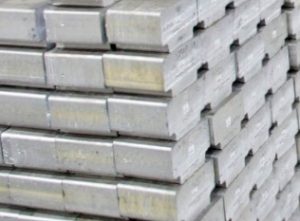
This is less about warehousing and more about relevance.
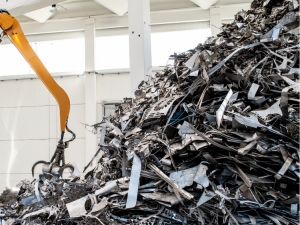
The ruling might not be the last word – but it’s a signal on where future cases my land.
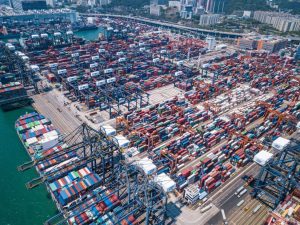
By know you must have “tariff fatigue,” so we are shifting gears to focus the maritime tax proposals of the United States Trade Representative (USTR) plus some other lowkey tax relief bills that may have out-sized positive effects to sectors served by aluminum. United States Trade Representative (USTR) port fee plans for Chinese ships The […]

“They need a little bit of time,” Trump said this week, referring to carmakers shifting their sourcing back to the U.S. “Because they’re going to make them here.”

“It takes many years to build a new smelter and at least five to six smelters would be required to address the U.S. demand for primary aluminum” - Alcoa during Q1 2025 earnings call

A turbulent week in aluminum - Tariffs tighten, prices slip, and the scrap market holds its breath.
Russian-origin metal comprised around 88% of open tonnages available in the LME at the end of last month.