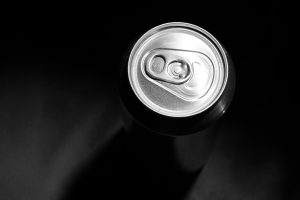
Ardagh Metal Packaging raises full-year guidance
Ardagh Metal Packaging upgraded its full–year 2026 EBITDA guidance to a range of between $775 million–$790 million, as the second quarter saw growth driven by Europe.


Ardagh Metal Packaging upgraded its full–year 2026 EBITDA guidance to a range of between $775 million–$790 million, as the second quarter saw growth driven by Europe.

Higher packaging and general engineering shipments drove Kaiser Aluminum's second-quarter volume growth, while favorable metal conditions lifted earnings.
AMU’s July survey found recyclers expecting lower Midwest Premium and UBC prices while demand softened, inventories declined and forward views remained mixed.
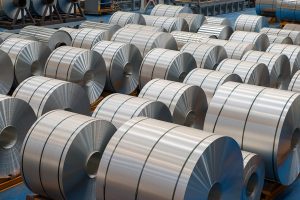
SDI, which runs Aluminum Dynamics Inc (ADI), has been ramping up production in Mississippi and at a recycled slab center in San Luis Potosi, Mexico.
Gränges Americas sales volume rose 7.7% in the second quarter as packaging gains outweighed lower industrial shipments tied to construction demand.

Aluminum Dynamics will invest more than $200 million in a Mississippi recycled slab center that establishes the permanent location for a project Steel Dynamics relocated from Arizona.

The Constellium Engley (Changchun) Automotive Structures facility produces aluminum crash management systems and other structural components for the Chinese automotive market

EGA reported progress restoring its Al Taweelah complex while US import data highlighted changing aluminum trade flows following the regional conflict.
June survey responses showed scrap market participants becoming more cautious on premiums, scrap availability and exports, while downstream demand indicators remained comparatively firmer.
AMU's June survey showed weaker demand, fewer extending lead times and less inventory building, though respondents largely stopped short of forecasting an oversupplied market.