
Labor agreement timelines converge in US aluminum
Labor agreements across US aluminum producers are converging around 2026, bringing collective bargaining timelines into sharper focus this year.


Labor agreements across US aluminum producers are converging around 2026, bringing collective bargaining timelines into sharper focus this year.

Decisions to swap materials are not made in the spur of the moment. Significant engineering changes have to be made, tooling has to be redesigned. With current lead times for heavy industrial equipment, substitution could take 1-2 years to execute. Substitution, whether good or bad for aluminum, is not happening quickly.
Anheuser-Busch InBev has repurchased a minority stake in its US metal can manufacturing operations, reversing a $3 billion transaction completed in 2020.

The most recent blaze in November damaged the hot mill's finishing mill, which is highly specialized.

The US has seen a drastic decline in imports from Canada.

December survey data showed lead times rising across aluminum products even as respondents reported steadier conditions.

December survey results show UBC price expectations becoming more debated even as scrap availability, inventory behavior, and Midwest premium expectations point toward steadier underlying conditions.

The Midwest premium has risen beyond replacement economics, driven by thin liquidity, depleted US inventories, slow import response, and limited near-term substitutes - raising questions about sustainability and forward risk.
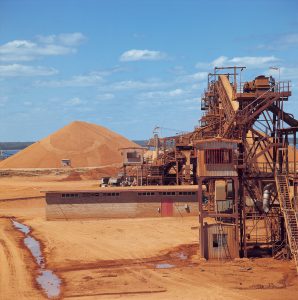
How Venezuela figures into the aluminum sector
There are some tactical resolutions in this list that are essential for the companies involved to achieve their financial results for 2026. Some are aspirational and may take more than 2026 to happen.