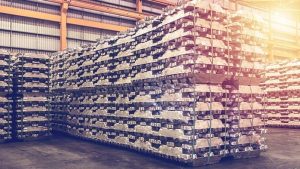
Arconic plans $131M casting complex at Davenport Works
Arconic will construct a $131 million aluminum casting complex at its Davenport Works campus in Iowa, expanding ingot capacity with first metal targeted for Q3'27.



Arconic will construct a $131 million aluminum casting complex at its Davenport Works campus in Iowa, expanding ingot capacity with first metal targeted for Q3'27.
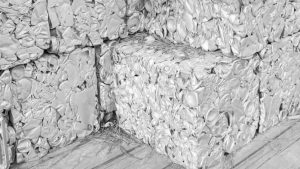
Novelis temporarily halted operations at its Georgia recycling and casting plant following a March 1 equipment explosion. No reported injuries.
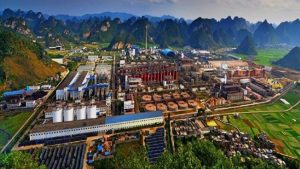
A look at Alcoa's idled US smelter and refinery sites shows how electricity economics and capital discipline are reshaping industrial redevelopment toward data center infrastructure.

Century Aluminum and Emirates Global Aluminium signed a downstream agreement with U.S. Aluminum Company tied to the planned Oklahoma smelter.
February survey results show extending lead times, rising undersupply expectations, and firmer perceptions of import competitiveness.

Century Aluminum posted lower fourth-quarter shipments due to an Iceland outage, while outlining Mt. Holly restart progress, Oklahoma developments and a 2026 shipment reduction.

The US International Trade Commission issued an affirmative preliminary determination that imports of van-type trailers and subassemblies from Canada, China and Mexico are materially injuring the domestic industry, advancing the AD/CVD investigations while scope and product disputes continue.

Rio Tinto reported steady attributable aluminum production in 2025, higher segment EBITDA and changing exposure to value-added products and Midwest-exposed pricing.
Kaiser Aluminum expects shipment growth in aerospace and packaging in 2026 as plate capacity returns and coated can sheet volumes increase, while automotive retools for specialty expansion.

Hydro reported steady primary aluminum output and forward price visibility, while North American extrusion volumes reflected ongoing end-market softness.