Export Growth

May 19, 2026
GCC disruptions tighten global aluminum VAP supply chains
Written by Nicholas Bell
Current disruptions in the aluminum market are hitting some value-added products (VAP) harder than primary metal.
That was a recurring theme during recent presentations during the CRU World Aluminium Summit 2026 in London, where speakers examined how conflict-related disruptions across the Gulf Cooperation Council (GCC) region are tightening supply of billet, slab, rod, and primary foundry alloys.

During a keynote session, CRU’s Paul Williams, head of aluminum value chain, discussed curtailed production in Bahrain and the United Arab Emirates following attacks in the region and logistical restrictions tied to the Strait of Hormuz. The discussion focused less on outright shortages of aluminum and more on tightening supply of billet, slab, rod, and primary foundry alloys.
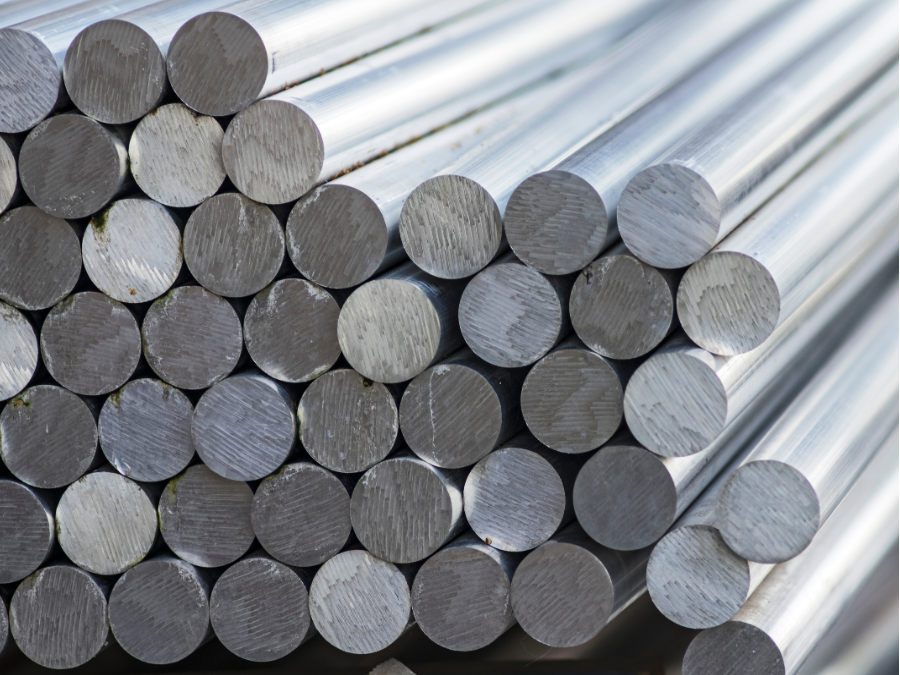
“It’s not just ingot,” Williams said while discussing GCC production and export flows. “It’s a cushion of supplier of value-added shapes, whether that’s billet, slab, primary foundry alloy, also liquid metal for wire rod facilities in the region.”
GCC producers occupy a larger position in value-added aluminum markets than broader primary aluminum balances delineate. Along with primary ingot, producers in the region export large volumes of billet, slab, and foundry alloys into North America, Europe, and Asia.
“Over 21% of world ex-China primary production comes from this region,” Williams said. “That’s how important it is.”
Producers shift output priorities
One slide from CRU’s Head of Aluminium Raw Materials Ross Strachan’s presentation pointed to what may become one of the more important developments from the disruption: GCC producers are preserving ingot production while curtailing a larger share of value-added output.
Part of that shift may stem from the relative flexibility of ingot markets. Terminal markets, like the London Metal Exchange (LME), give producers more room to manage hedge price exposure and manage commercial risk through forward contracts than value-added products. For instance, LME-warranted primary aluminum comes in three forms: ingot, T-bar, and sow.
Slides from Strachan’s session showed much larger reductions in billet, slab, and foundry alloy capacity than in ingot production, particularly in Bahrain and the UAE. In Bahrain alone, curtailed value-added product capacity exceeded 1 million metric tons, compared with a far smaller reduction in ingot output.
Primary ingot can move between regions and applications with relative flexibility, while value-added products (VAP) are intended for more tailored end uses. Downstream buyers typically require alloy specifications as well, which could lead to supply pressure even if broader primary aluminum balances stabilize.
Alternative supply options
Williams and Strachan both examined replacement supply options from several regions, although presented challenges.
Russian material remains available in parts of the value-added market, though sanctions, financing restrictions and buyer policies continue limiting accessibility to consumers.
Southeast Asia is adding significant primary aluminum production, but production of certain cast and value-added products remains less developed.
European secondary producers represented another possible replacement source. However, additional output from that sector would likely depend on scrap availability and secondary conversion capacity.
Strachan also suggested constrained primary foundry alloy supply could shift aluminum wheel trade flows, especially if downstream manufacturers struggle to replace GCC-origin material used in wheel casting applications.
CRU demand forecast moves lower
The presentations also projected a primary aluminum deficit and lower demand expectations across several regions due to the conflict and resulting price increases.
Williams argued that additional supply losses may not materially expand the deficit much further because downstream manufacturers would simply lose access to the material needed for production.
“There just will not be the slab or the billet, the primary foundry alloy out there for downstream producers to actually produce,” Williams said. “And that will impact demand directly.”
He also contrasted the current deficit with previous cycles that began with larger inventories already in place.
“This time is going to be far more difficult,” Williams said. “We’re coming off a period where stocks had been coming off for a number of years and are pretty critically low.”