Building & Construction

April 30, 2026
Iran war, tariff changes, project announcements and more
Written by Stephanie Ritenbaugh
The Iran war is entering its third month. In that time, commodity markets have been reshaped, not to mention the human toll of the war.
AMU examined the aluminum risk from the conflict upending the Middle East by product and company. To get a deeper understanding of the impact on the metal — and which alloys, forms and specifications are tied to those areas — the three-part guide is an excellent resource.

Part 3: Oman/Saudi Arabia/Qatar
Damage from a drone attack at its Al Taweelah plant has led Emirates Global Aluminium (EGA) to declare a force majeure on some of its products on April 12. The company operates two smelters in the United Arab Emirates, Al Taweelah and Jebel Ali (DUBAL).
In the wake of widespread supply chain disruptions, Alcoa executives said the company has been increasing smelting output at its Portland facility in Australia, in San Luis, Brazil, and in Lista, Norway.
“That’s on the smelting side, but probably more importantly, what we’re seeing today is on the value-add side,” CEO William Oplinger said. “We are matching up some excess capacity that we have in places like Quebec and, to some extent, in Europe with the needs of customers that have struggled given the supply chain disruptions.”
Tariff developments
The Trump administration has changed up its Section 232 framework to alter how duties are applied to imported manufactured goods. The move shifts away from assessing tariffs based only on the metal content of a product and applies duties to the full value of finished goods that contain steel and aluminum.
Charles Johnson, president and CEO of the Aluminum Association, said: “This change closes a critical loophole that previously allowed unfairly traded aluminum to enter the US market through downstream goods. We also support efforts to reduce tariff burdens on imported specialty equipment needed for new plants and operations.”
Still, Johnson noted areas of the tariff program that need to be addressed.
“In some markets, the new valuation regime may incentivize importing certain aluminum-intensive products, contrary to the spirit and intention of the rule,” Johnson said.
The US Department of Commerce has released new procedures allowing certain steel and aluminum producers in Canada and Mexico to qualify for reduced Section 232 tariffs. But only if they commit to building new primary production capacity inside the United States.
Around the market
Kibar Americas has acquired the former Novelis flat-rolled aluminum facility in Fairmont, W. Va., roughly nine months after production ceased at the site. Novelis said it would permanently shut down the Fairmont plant effective June 30, 2025.
General Motors will invest more than $150 million at its Saginaw Metal Casting Operations plant in Michigan to support sixth-generation V-8 engine blocks and cylinder heads, with production targeted to begin in 2027. At Saginaw, that network already operates as a melt, casting, machining, and scrap recovery system that supports downstream engine assembly operations.
Toyota Motor Corp.’s $1 billion investment in its Kentucky and Indiana plants aims to expand production of aluminum-intensive vehicles, particularly across high-volume models and future battery electric platforms. Less visible in the announcement is how that demand is supported — through a regional supply chain that processes scrap aluminum and converts it into components within close proximity to assembly.
Glencore has acquired a 45% stake in an aluminum recycling and remelting plant in South Carolina, expanding its position in US scrap-fed supply chains while bringing in a new operating partner. Pennsylvania-based Alumicore LLC will hold the remaining 55% stake and operate the facility.
Mumford Metal Casting has been acquired by an undisclosed strategic buyer. The deal transfers a Midwest-based aluminum die casting company with operations in Wisconsin and Michigan and exposure to automotive, industrial, and heavy equipment markets.
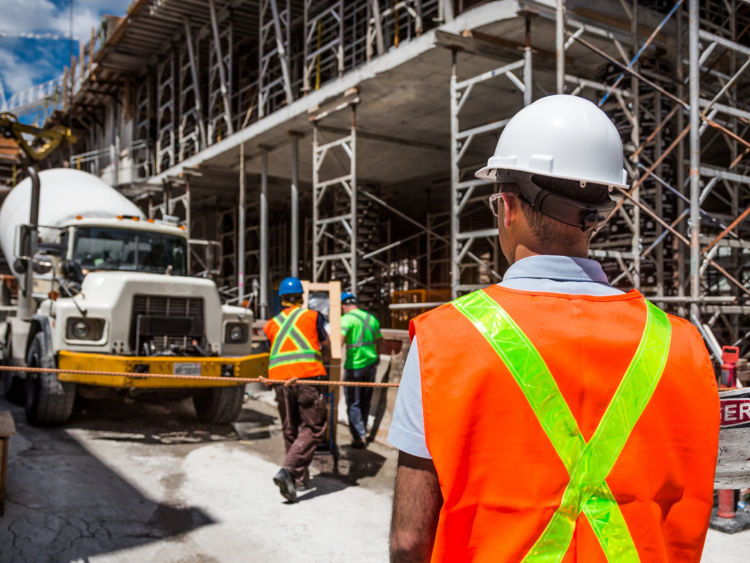
The construction market is seeing activity from data centers and the energy infrastructure to support them. But other factors are dragging the sector down: The Iran war is spiking inflation; tariffs are driving up material costs; and immigration crackdowns are hurting labor. In short, the construction market is a land of contrasts.
On April 15, Ken Simonson, chief economist for The Associated General Contractors of America (AGC), joined Steel Market Update and Aluminum Market Update for a Community Chat webinar to discuss the latest on the sector.
Production of the first hot metal has begun at Century Aluminum’s expansion project at Mt. Holly in South Carolina.
This project, which the Chicago-based producer expects to reach full production by the end of June, aims to increase total US primary aluminum production by 10%.
Steel Dynamics Inc. (SDI) is producing aluminum products at its new flat-rolled mill in Columbus, Miss., and is getting requests for product qualifications from additional consumers. SDI, which runs Aluminum Dynamics Inc. (ADI), has been ramping up production in Columbus and at a recycled slab center in San Luis Potosi, Mexico. Two of the three planned cold mills are ramping up operations and producing prime products. A third cold mill is scheduled to be commissioned in Q3’26.