Aluminum Scrap Markets
March 10, 2026
What stranded Persian Gulf shipments mean for the US market
Written by Greg Wittbecker
Let’s take a deeper look at what could be affected by a war in Iran and the surrounding region.
Gulf region imports
In 2025, the US International Trade Administration reported Gulf producers exported the following to the US:
- United Arab Emirates (EGA): 478,349 metric tons
- Bahrain (ALBA): 135,969 tons
- Qatar (Hydro-Qatalum): 26,201 tons
- Oman and Saudi Arabia: nothing
The ITA does not break down the unwrought imports into discrete Harmonized Tariff Schedule (HTS) sub codes, but we have a good sense of what’s coming in from historical understanding of where these producers put their emphasis.
Virtually 100% of these imports are either soft alloy billet or 356.2 foundry alloys. Consequently, these are the products that are going to be impacted by any prolonged disruption in exports from the Gulf.
Depot stocks and metal in transit will ease the pain
These producers are not rookies. They understand how to manage the long supply chains from the Gulf into the US. They also understand in this era of just-in-time manufacturing and higher interest rates, that their customers are not interested in carrying a lot of inventory. They expect their suppliers to shoulder that responsibility. They do so in several ways:
- Most maintain some depot stocks either in the port of entry or a warehouse near the customer. We believe the importers are probably carrying 30 days supply in these depots, so they have sufficient stocks to cover customer orders through the end of March.
- Metal afloat. There was undoubtedly metal being shipped just before the attack on Iran, so there is some pending supply arriving. Unfortunately, container lines are loath to go through the Suez Canal again, so they are routing vessels around the Cape of South Hope in South Africa. This means transits are now taking upwards of 60 days. The last ships out of the Gulf would have been February 27, so we are expect those arrivals in late April.
- Some producers may be able to substitute secondary billet as a short-term solution. This would apply to EGA, thanks to their ownership of Spectro-Alloys in Minnesota. Others would have to acquire that metal in the market. We have heard that spot inquiries have picked up in the past two weeks as people check out their options.
- Producers could buy primary billet from other producers. This may be problematic, since most producers run a tight product-to-orders position and may not have discretionary supply available to sell.
What comes next?
If depot stocks are exhausted and in-transit metal does not arrive in time, then importers will have a problem. This is one reason ALBA declared force majeure on their shipments. We would not be surprised if EGA would follow suit as a precaution. Qatar’s closure of their smelter has already triggered their effective force majeure.
No producer wants to declare force majeure. But the declaration gives them protection against litigation by customer claiming contractual breach.
We suspect the spot billet market, which has been relatively quiet, is going to heat up. Billet upcharges at 13-15 cents over Midwest are likely to be marked up soon. We would not be surprised to see 20 cents again. The possible saving grace will be if secondary billet producers can take in scrap to boost production. Extrusion grades are cheap enough to allow good money to be made at billet premiums between 15 cents and 20 cents over the Midwest premium.
The foundry market does not have the same luxury as billet. No one is actively producing low-iron, secondary 356.2 alloy that can replace primary 356.2. Any looming shortage in foundries would have to revert to the Canadian producers or maybe Century Aluminum’s Mt. Holly facility in the US. This would be an attractive play for the primary producers, because 356.2 is a relatively easy transition from making P1020. You need to put 7% silicon into it and some other hardeners (a pinch of titanium for most wheelmakers). T-ingot can be cast effectively at both Rio Tinto and Alcoa. They will want to be paid, and we should expect spot foundry premiums to move into the mid- to high-teens over Midwest.
Why this matters
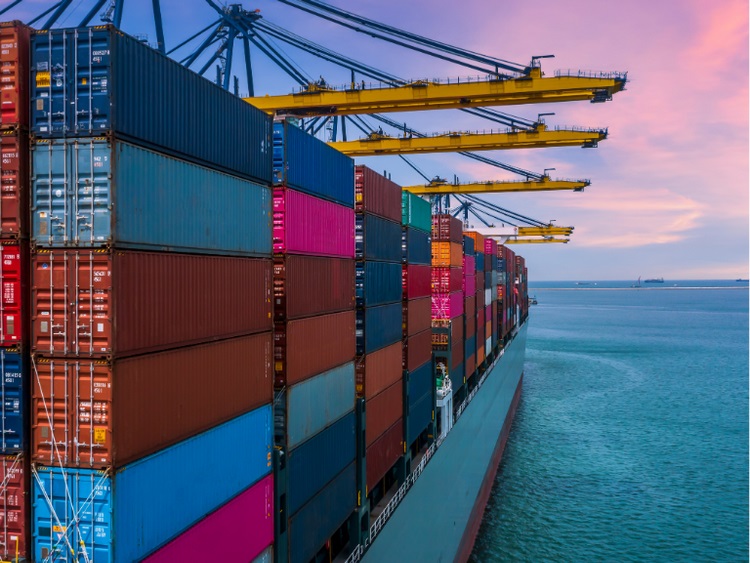
Billet and foundry buyers are going to be on edge over the next month, waiting to see if the Strait of Hormuz reopens. Even if the US Navy starts escorting vessels soon, there is a backlog of freight stuck in the Gulf waiting to exit. According to multiple maritime reporting sources, there were 138 container vessels stranded north of the Strait, with nearly 500,000 TEU (twenty-foot equivalent units) on board. The International Maritime Organization estimates an additional 450 oil and gas tankers and 200 bulk vessels are stranded. That total of nearly 800 vessels would take at least one week to exit, adding to the extended arrival times into the US.
Expect to see billet and foundry premiums to start moving up soon as buyers begin to hedge their bets on things not returning to normal before May or June.