Looming USTR port fees will add to freight costs
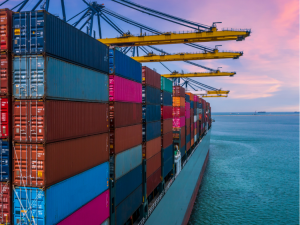
Upcoming USTR port fees targeting Chinese-built vessels are set to upend transpacific shipping costs, squeeze capacity, and ripple through U.S. supply chains as early as 2026.
U.S. aluminum buyers and sellers are bracing for a bruising 2026 contract season as tariffs, tight supply, and shifting scrap economics threaten to push Midwest premiums and upcharges to unprecedented levels.
Container freight rates keep sliding for a tenth straight week, with looming U.S. tariffs on Chinese vessels and rerouted Gulf shipments reshaping global trade costs.
The latest Section 232 expansion brings tariffs deeper into semi-fabricated aluminum - here's a breakdown of what's now in scope and how it ties back upstream.
March reached the highest level imports for the year so far at 426,911 metric tons, a spike of 47.5 % compared to a same month last year, according to the ITA.
GE Appliances' new $3 billion U.S. investment is set to add thousands of tons of aluminum die-casting demand from washers, dryers, and refrigerators back into domestic production.
With Century's Mt. Holly coming back online, the real question is whether other idled U.S. smelter capacity have any realistic path to restart.
As calls to restrict scrap exports grow louder, the real question is whether heavy-handed policy can outdo the market's own price signals.
After a major industry complaint, the U.S. is investigating whether Chinese foil containers are just relabeled detours.
The latest import data reveals a market no longer shaped by supply and demand alone, but by tariffs, carveouts, and timing.