
American Aluminum Alliance targets downstream tariff costs
A new US aluminum trade group is seeking lower costs on primary metal while backing duties on competing finished imports.


A new US aluminum trade group is seeking lower costs on primary metal while backing duties on competing finished imports.

And, of course, AMU Summit coverage, which included topics ranging from prices, primary, data centers, autos and more.

The Inola smelter fight now spans state politics and federal policy, while the court case adds new questions over timing and forum.

Reviving primary aluminum production in the US will need to go hand in hand with revamping domestic energy policy
The heads of the Canadian and US aluminum trade associations are calling on leaders to cool off and return to tariff negotiations.

Canadian aluminum exports to the US have continued to drop since the tariff rate increased to 25% in March 2025, with a growing share shipping off to Europe and Mexico. The tariff rate has since spiked to 50%.
Aluminum prices recovered after the July 9 checkpoint, but financial and exchange indicators didn’t move uniformly.
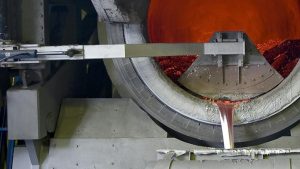
Century Aluminum completed its Mt. Holly restart in Q2, but shipments remained nearly flat as added production moves into the second half.
There’s a lot of news to keep track of, so we’re lending a hand with highlights from the past month and what they mean for you.

The project is expected to break ground later this year.