
Rio Tinto’s 2025 results: Stable output, shifting mix and premium exposure
Rio Tinto reported steady attributable aluminum production in 2025, higher segment EBITDA and changing exposure to value-added products and Midwest-exposed pricing.


Rio Tinto reported steady attributable aluminum production in 2025, higher segment EBITDA and changing exposure to value-added products and Midwest-exposed pricing.

Hydro reported steady primary aluminum output and forward price visibility, while North American extrusion volumes reflected ongoing end-market softness.
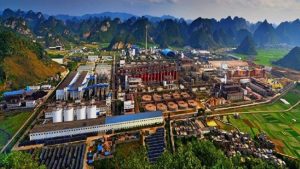
As China approaches its long standing primary aluminum production cap, shifting supply dynamics such as offshore capacity growth and redirected Russian metal are reshaping how the country's future demand is met by global supply.

The smelter had been the largest domestic source of high-purity primary aluminum used in aerospace and defense applications—arguably falling under the national security rationale of Section 232.

Canada is repositioning its aluminum exports toward Europe and Mexico as US tariffs raise costs, strain downstream demand and reshape trade flows.

January's AMU survey shows stabilizing lead times with growing product-level and role-based divergence, alongside a notable shift in perceptions of import competitiveness.

“Both parties will now solely focus their greenfield development efforts in the United States on the Inola, Okla., site,” the companies said in a press release.
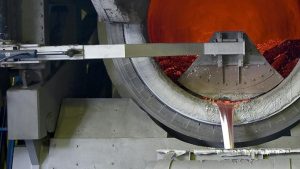
The smelter is expected to be fully ramped up by end of the year, the mining company said.

Alcoa's full-year 2025 results show higher aluminum production yet lower shipments as the company outlines its 2026 outlook and capital posture.
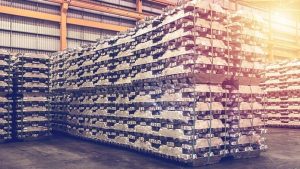
Rising global capital and power costs, driven by China's production cap and higher-cost expansion in Indonesia, are structurally resetting aluminum's incentive price, making higher LME levels necessary to unlock new primary capacity outside China.