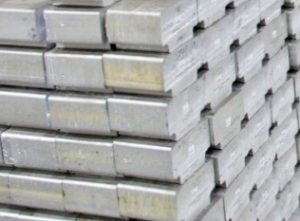
GM Saginaw investment targets V-8 tooling; plant capacity and throughput examined
GM's $150M Saginaw investment targets V-8 tooling, with plant data outlining capacity, utilization and aluminum input structure.


GM's $150M Saginaw investment targets V-8 tooling, with plant data outlining capacity, utilization and aluminum input structure.
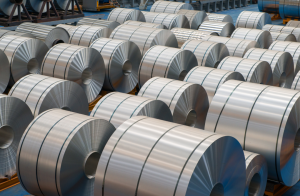
Kibar Americas has acquired Novelis' former Fairmont, West Virginia facility, a cold-rolling and foil finishing plant idled in mid-2025.

The aluminum industry is bracing for significant supply-chain repercussions after Iranian strikes hit two major Gulf smelters – Emirates Global Aluminium’s (EGA) Al Taweelah complex in the UAE and Aluminium Bahrain (Alba) – on March 28.
Dynacast's acquisition of Platinadora Baja expands its North American footprint, reinforcing regional die-casting capacity amid ongoing supply chain realignment.

GM will invest $40 million in Toledo Propulsion Systems to expand capacity and add a new transmission variant.

Linamar's Welland gigacasting project illustrates how shifting EV demand and policy changes can expose Tier 1 suppliers to investment timing risk.
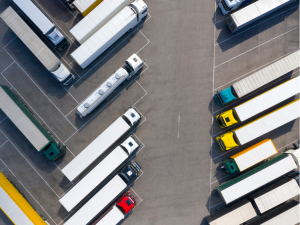
Hyundai Translead plans its first US trailer plants as production declines and trade cases on imports and tariffs move forward.
Steel Dynamics issued first-quarter 2026 guidance, citing higher working capital tied to its aluminum ramp as the segment begins generating EBITDA.
Novelis’ award-winning recycled automotive sheet illustrates a broader industry challenge: returning end-of-life vehicle aluminum scrap back into high-grade sheet production.

Rio Tinto's aluminum supply agreement with Prysmian highlights tightening redraw rod availability in North America as tariffs, smelter closures and cable demand reshape supply.