
Plugging the leaks, Part 1: How aluminum trade groups are closing gaps in Section 232
The first installment explores how trade groups representing extruders and die casters are pressing to expand Section 232’s coverage.


The first installment explores how trade groups representing extruders and die casters are pressing to expand Section 232’s coverage.
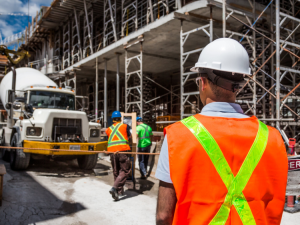
Building on the backlog analysis, this follow-up connects Dodge Construction Network's construction starts data, the Dodge Momentum Index, and the AIA/Deltek Architecture Billings Index to map how project planning, design, and execution are aligning - or diverging - across the construction cycle.

This installment examines August's Associated Builders and Contractors Construction Backlog Indicator, breaking down shifts by industry, region, and company size to show where contractors' forward workloads are expanding - and where they're stalling.

AMU takes a closer look at obscure but telling markets - corrugated boxes, cement, and coatings - for early clues on where aluminum demand may really be headed in 2025.

Freight data - especially truck movements - remains flat year over year, underscoring its role as a leading indicator of commodity demand and an early signal for aluminum's dependence on final-mile delivery.

September's survey shows stability, but a closer look reveals diverging conditions: scrap recyclers facing oversupply, semi-fabricators holding ground, and softer price expectations on Midwest premiums and UBCs.
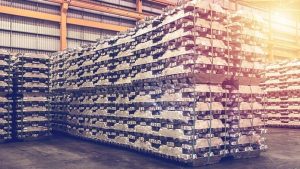
Arconic's Davenport expansion has doubled its high-purity aluminum capacity, a development that fills part of the void left by Century's idled Hawesville smelter and an opaque import market.
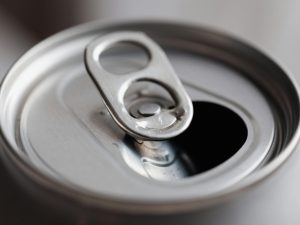
The long-delayed Concord facility marks Ball's return to the Carolinas and highlights a broader shift in beverage can demand, with energy drinks and specialty drinks driving growth as supply chains and consumer preferences evolve in tandem.

As billet upcharges mount, scrap spreads stay wide, and talk of an export ban rattles recyclers, the aluminum industry heads into 2026 facing some of the toughest cost and supply negotiations yet.
Novelis' Oswego mill fire has sidelined the largest producer of automotive body and structural sheet in North America, disrupting a closed-loop scrap system and removing over half of regional BIW/closures sheet supply, with limited options for domestic backfill and costly import alternatives.