
Macro-economic overview: The latest from the OECD
Broadly speaking, the OECD is more positive on growth than what one might have thought.


Broadly speaking, the OECD is more positive on growth than what one might have thought.

Public comments are open on the USMCA to offer feedback on how the agreement is functioning.

Canada's new Strategic Response Fund for tariff-hit industries has triggered sharp criticism, drawing in questions over subsidies, trade imbalances, and whether U.S. and Canadian aluminum markets are as different as an industry group suggets.
Section 232's recurring inclusions, layered alongside overlapping and contested tariff regimes, have turned aluminum trade policy into a rolling mechanism that boosts GDP on paper, stokes inflation in practice, and leaves buyers navigating uncertainty as the only constant.
Join AMU experts Greg Wittbecker and Nicholas Bell on Thursday, September 25 at 11 a.m. ET
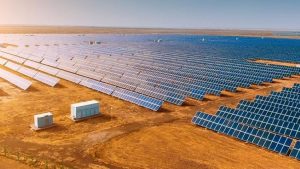
An in-depth look at how solar installations shape aluminum demand and U.S. market dynamics amid growing domestic capacity and the rising panel imports in the run-up to tariffs.

Upcoming USTR port fees targeting Chinese-built vessels are set to upend transpacific shipping costs, squeeze capacity, and ripple through U.S. supply chains as early as 2026.

July's producer price index (PPI) and manufacturing survey (M3) data show an aluminum sector that looks steady on paper but is shrinking once inflation is stripped away, with costs cascading unevenly through the supply chain.
Recent IEA data underscores an erratic electricity supply mix alongside sharply rising demand, with future prices signaling poor economics for operating an aluminum smelter and pointing instead to behind-the-meter generation backed by outside financing.
There’s a lot of news to keep track of, so we’re lending a hand with highlights from the past month and what they mean for you.