
Hydro lifts North American extrusion sales
Hydro increased North American extrusion sales and recycled aluminum production during the second quarter as downstream demand partially recovered and recycling activity remained strong.


Hydro increased North American extrusion sales and recycled aluminum production during the second quarter as downstream demand partially recovered and recycling activity remained strong.
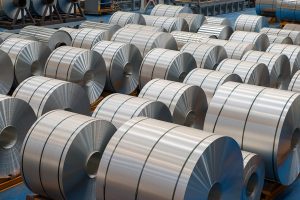
SDI, which runs Aluminum Dynamics Inc (ADI), has been ramping up production in Mississippi and at a recycled slab center in San Luis Potosi, Mexico.

Postle Aluminum plans two extrusion presses at a repurposed Howe, Indiana, site to expand production of larger profiles and trim products.
Alcoa cut its production guidance for alumina for the full year, citing issues at its Pinjarra refinery in Western Australia. Despite the ongoing Iran war upending aluminum supply chains, the company said alumina prices remained relatively stable.

ADC Aerospace acquired Hyatt Die Cast & Engineering, expanding its aluminum and zinc die casting range ahead of a planned consolidation in Buena Park, California.
Matalco recorded its highest quarterly recycled aluminum production since the Canton closure began, while Rio Tinto's primary output held nearly steady and US shipments decreased.
Gränges Americas sales volume rose 7.7% in the second quarter as packaging gains outweighed lower industrial shipments tied to construction demand.

Aluminum Dynamics will invest more than $200 million in a Mississippi recycled slab center that establishes the permanent location for a project Steel Dynamics relocated from Arizona.
The first half of 2026 has been turbulent for the aluminum market, with the Iran war sparking the largest supply shock in the history of the industry, CRU Group said.

Government data show first-half automotive production remained concentrated in light trucks, while passenger car output, inventories and import flows followed a different path.